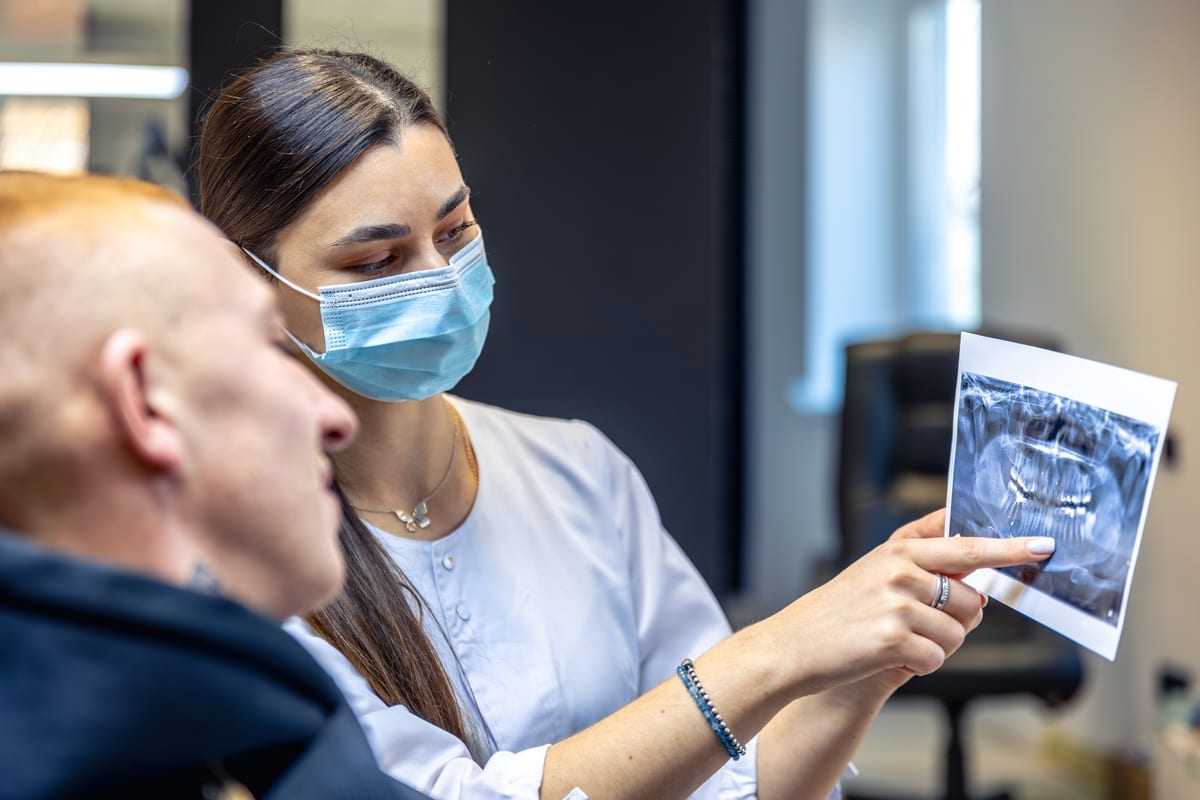


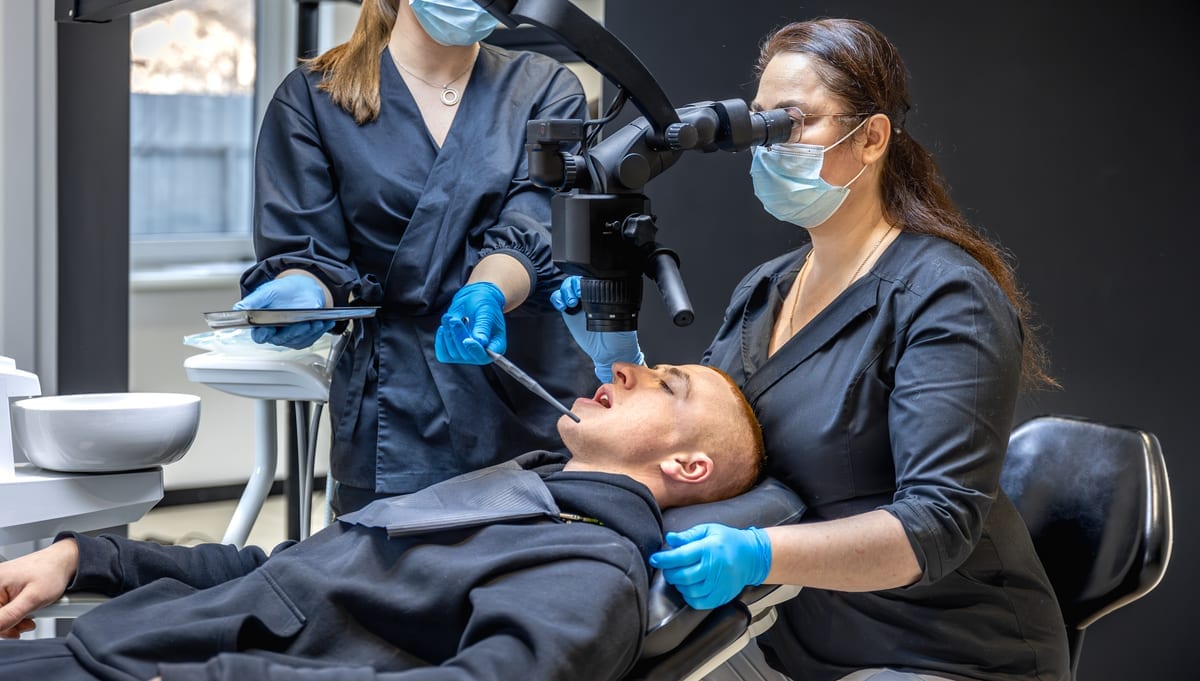
If you just had a root canal, you probably have questions. What can you eat? How long will it hurt? What should you watch out for? This complete recovery guide for patients in Arcadia covers everything you need to know. Understanding what to eat after root canal surgery is one of the most important steps toward a smooth, comfortable recovery.
Root canal treatment saves your natural tooth. It removes infected pulp tissue and seals the canal to prevent reinfection. The procedure itself is straightforward, but the days that follow require some care. Following the right recovery steps makes a real difference in how quickly you heal.
What to Eat After Root Canal Surgery: Foods That Support Healing in Arcadia
Your mouth will feel tender after the procedure. The treated area needs time to settle. Choosing the right foods protects the tooth and keeps discomfort manageable. Stick to soft, easy-to-chew options for the first few days.
These foods are safe and gentle during early recovery:
- Yogurt, smoothies, and applesauce
- Scrambled eggs and soft oatmeal
- Mashed potatoes and soft-cooked vegetables
- Soup broth and well-cooked pasta
- Bananas, avocado, and soft fruits
- Ice cream or cold pudding (can also soothe inflammation)
Cold and lukewarm foods tend to feel most comfortable. Avoid anything too hot in the first 24 hours. Heat can increase sensitivity and discomfort around the treated tooth.
Just as important as knowing what to eat is knowing what to avoid. Hard, crunchy, or sticky foods can crack the temporary filling or irritate healing tissue. Chewy foods like bagels or tough meat put unnecessary pressure on the area. Avoid them until your permanent crown is placed.
Managing Pain and Sensitivity: What Actually Helps
Some discomfort after a root canal is completely normal. The tissue around the treated tooth may be inflamed. This typically peaks in the first 24 to 48 hours. Most patients find over-the-counter pain relievers very effective during this time.
Ibuprofen (Advil, Motrin) is often the first recommendation. It reduces both pain and inflammation at the same time. Take it as directed on the label. If you cannot take ibuprofen, acetaminophen (Tylenol) is a solid alternative.
Some dentists recommend alternating ibuprofen and acetaminophen every few hours. This can provide more consistent relief than using just one medication. Always follow dosage instructions carefully. Never exceed the recommended daily limit for either drug.
Additional tips to reduce discomfort include:
- Keep your head elevated when lying down to reduce pressure
- Apply a cold pack to your cheek for 10-minute intervals in the first 24 hours
- Avoid chewing on the treated side until your crown is placed
- Rinse gently with warm salt water to keep the area clean
- Avoid smoking or alcohol, which slow healing significantly
How Long Does Sensitivity Last After a Root Canal?
This is one of the most common questions patients in Arcadia ask. Sensitivity after a root canal is expected. Most patients feel tenderness or mild soreness for three to five days. This is your body’s natural healing response.
Tooth sensitivity to pressure may linger slightly longer. This usually fades once the permanent crown is placed. The crown protects the treated tooth and restores normal bite function. Until then, be mindful of how you chew.
Some patients feel completely fine within 24 hours. Others notice mild sensitivity for up to a week. Both experiences are within the normal range. The key is a gradual improvement each day.
If your pain is increasing instead of decreasing after the first few days, take note. That trend is not typical. It may signal that something needs attention from your dental team.
Red Flags to Watch For During Root Canal Recovery
Most root canal recoveries go smoothly. However, certain signs indicate a problem that needs prompt attention. Knowing these warning signs helps you act quickly when it matters. Catching issues early leads to better outcomes.
Contact your dentist right away if you notice any of the following:
- Severe or worsening pain that does not respond to pain relievers
- Visible swelling in your face, jaw, or neck
- Fever above 100°F
- The temporary filling feels loose or has fallen out
- A bad taste or odor coming from the treated tooth
- Pus or discharge around the gum line
These symptoms may suggest reinfection, an abscess, or a failed seal. None of these should be ignored. If you experience a serious concern, reach out to a Dental Emergency Arcadia provider as soon as possible.
Premier Dental Esthetics is here to support Arcadia patients through every stage of recovery. Our team monitors healing closely at follow-up visits. We encourage patients to call with any questions between appointments. Your comfort and safety always come first.
Protecting Your Smile After Root Canal Treatment
A root canal saves your tooth. But the work does not end when you leave the dental chair. The treated tooth still needs a permanent crown to function properly. Without it, the tooth remains vulnerable to fracture and reinfection.
Schedule your crown appointment as soon as your dentist recommends it. Most patients get their crown placed within a few weeks of the root canal. A well-placed crown restores full strength to the tooth. It also protects your investment in saving the tooth.
Good long-term habits also matter. Brush twice daily and floss every day. Attend your regular cleanings and exams. Avoid biting down on hard items like ice or pen caps. These habits protect all your teeth, including the one that was treated.
If you are curious about improving your smile beyond recovery, explore your options. Cosmetic Dentistry Arcadia offers a range of treatments to enhance your smile after your tooth is fully healed. From teeth whitening to veneers, there are many paths to a confident, healthy smile.
Your Recovery Starts Here in Arcadia
A root canal does not have to be a difficult experience. With the right foods, the right pain management, and a watchful eye on your healing, most patients recover quickly and comfortably. Understanding what to eat after root canal surgery in Arcadia is the first step toward getting back to normal. Our team at Premier Dental Esthetics is here to guide you every step of the way. Book Now to schedule your appointment with our team.
Frequently Asked Questions
How long does it take to recover from a root canal?
Most patients recover within three to five days. Mild sensitivity may continue for up to a week. Recovery improves steadily each day when you follow your dentist’s aftercare instructions.
Can I eat normally right after a root canal?
No. You should wait until the numbness wears off before eating. Stick to soft foods for the first few days. Avoid hard, crunchy, or chewy foods until your permanent crown is in place.
Is it normal to have throbbing pain after a root canal?
Mild throbbing in the first 24 to 48 hours is common. It should gradually improve with over-the-counter pain relievers. If the pain is severe or getting worse after two to three days, contact your dentist right away.
What over-the-counter pain reliever is best after a root canal?
Ibuprofen is typically the most effective option because it reduces both pain and inflammation. Acetaminophen is a good alternative if ibuprofen is not suitable for you. Always follow the dosage instructions on the label.
When should I call the dentist after a root canal?
Call your dentist if you experience increasing pain, facial swelling, fever, a loose or lost filling, or any discharge from the treated area. These may be signs of a complication that needs prompt attention.