

A knocked-out tooth can feel like a full-blown emergency—but staying calm and acting quickly can make all the difference. Whether it happens during a weekend game, a fall at home, or an unexpected accident around Arcadia, knowing what to do in those first few minutes can help save your tooth.
At Premier Dental Esthetics, we’ve helped many local patients restore their smiles after dental injuries. Here’s a clear, practical guide to follow if you or someone near you loses a tooth.
Call us at (626) 900-0551 right away for guidance.
First Things First: Act Fast
Time is critical. The sooner you respond, the higher the chance your tooth can be successfully reattached. Ideally, you want to get professional care within 30 to 60 minutes.
If you’re unsure what to do, contacting an Emergency Dentist right away can guide you through the next steps while you’re on your way.
Step-by-Step: What to Do Immediately
1. Pick Up the Tooth Carefully
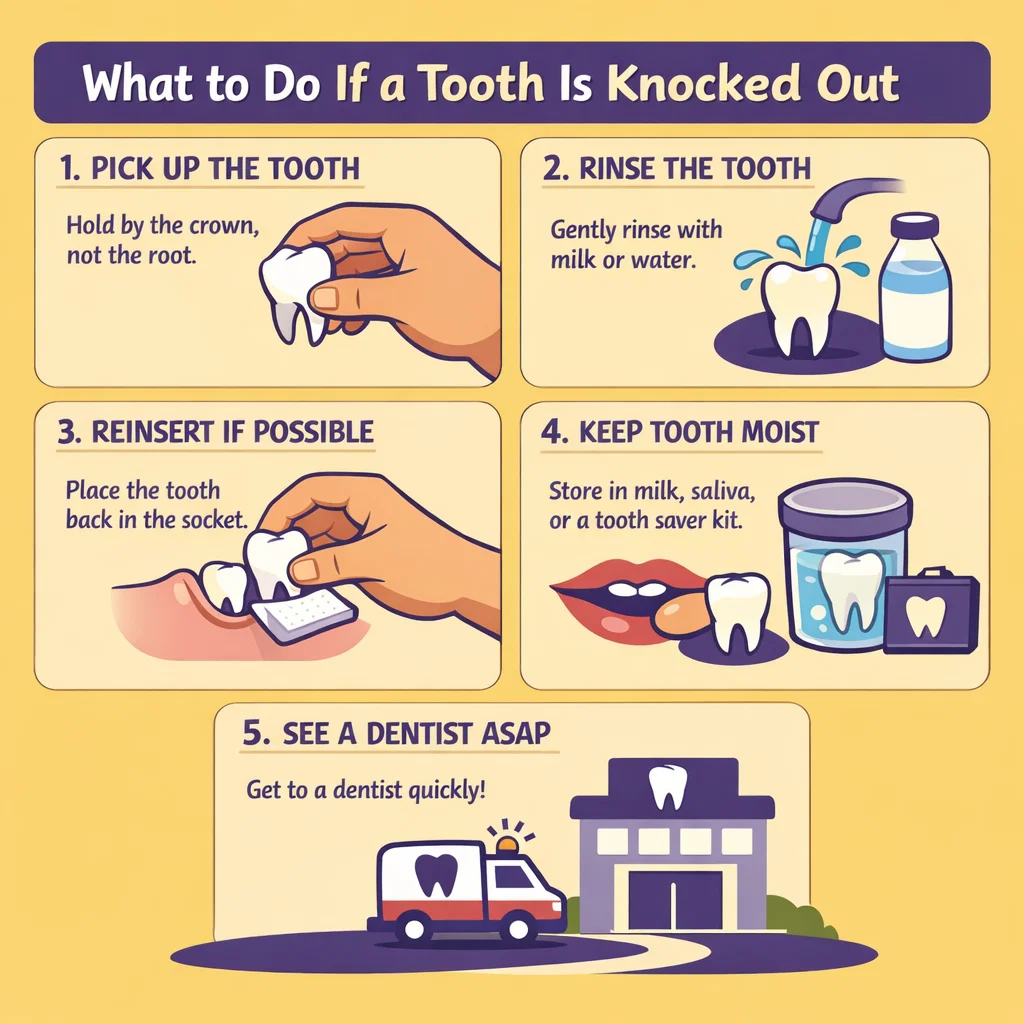
Hold the tooth by the crown (the visible white part), not the root. Touching the root can damage important cells needed for reattachment.
2. Gently Rinse (If Needed)
If the tooth is dirty, rinse it briefly with milk or clean water.
Don’t scrub, wipe, or use soap.
3. Try to Place It Back
If possible, gently place the tooth back into its socket.
- Make sure it’s facing the right way
- Bite down softly on gauze or cloth to hold it in place
4. If You Can’t Reinsert It
Keep the tooth moist at all times. Place it in:
- A container of milk
- Your saliva (inside your cheek)
- A tooth preservation kit (if available)
Avoid storing it in plain water for long—it can damage the tooth.
5. Get to a Dentist Immediately
Head straight to your dental office or call us at (626) 900-0551 for urgent care instructions.
Common Mistakes to Avoid
When panic sets in, it’s easy to make small mistakes that reduce the chances of saving the tooth. Avoid these:
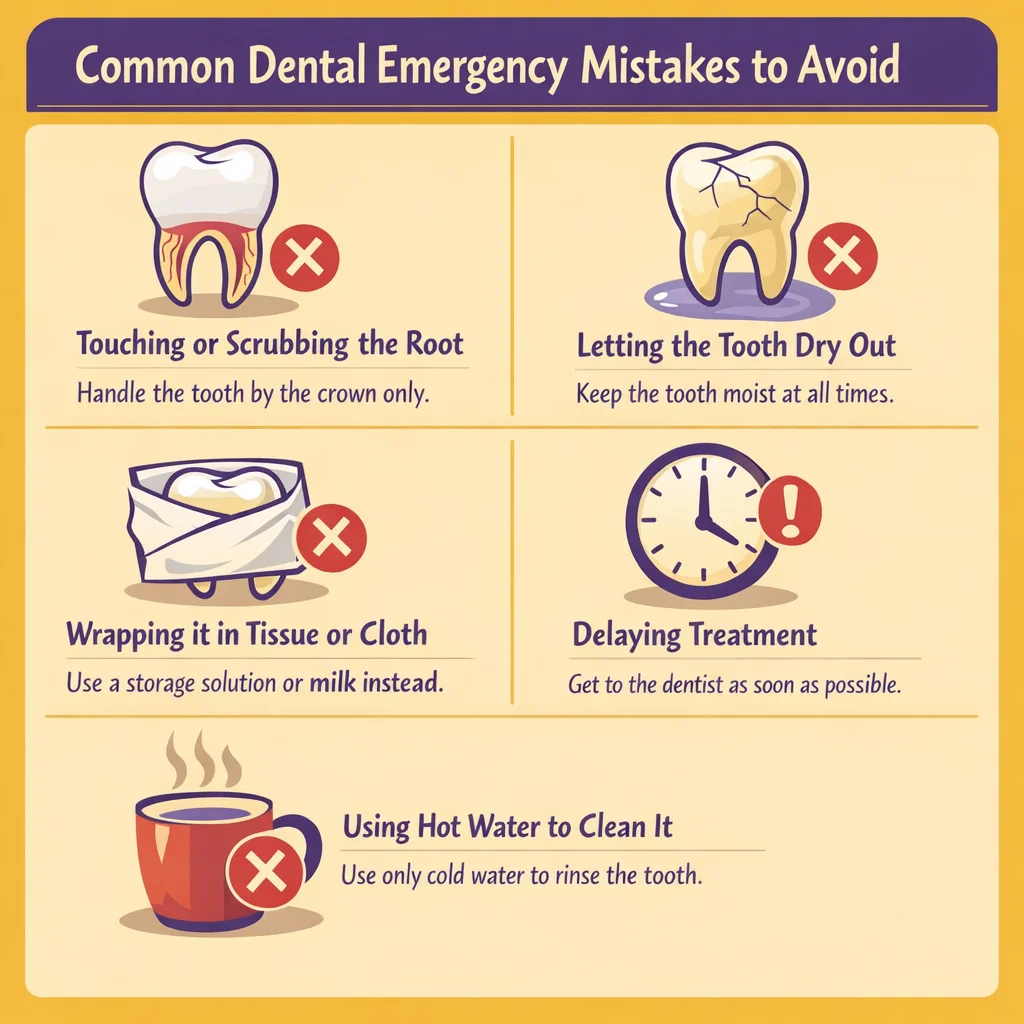
- Touching or scrubbing the root
- Letting the tooth dry out
- Wrapping it in tissue or cloth
- Delaying treatment
- Using hot water to clean it
What About Kids?
If a child loses a tooth, the situation depends on whether it’s a baby tooth or a permanent tooth.
- Baby tooth: Usually not reinserted (to protect the developing adult tooth)
- Permanent tooth: Follow the same emergency steps above immediately
If you’re unsure, call your dentist for guidance right away.
What Happens at the Dental Office?
When you arrive, your dentist will:
- Examine the tooth and socket
- Clean the area if necessary
- Reposition and stabilize the tooth
- Use a splint to hold it in place
- Schedule follow-up care to monitor healing
In many cases, quick action leads to successful reattachment and long-term stability.
Can a Knocked-Out Tooth Always Be Saved?
Not always—but your chances improve significantly if:
- You act within an hour
- The tooth is handled properly
- It’s kept moist the entire time
Even if reattachment isn’t possible, modern dentistry offers excellent solutions to restore your smile.
Prevention Tips for the Future
While accidents can’t always be avoided, you can reduce your risk:
- Wear a mouthguard during sports
- Avoid chewing hard objects like ice
- Keep your home safe from slip hazards
- Schedule regular dental checkups
Don’t Wait—Call for Immediate Help
A knocked-out tooth is one situation where every minute counts. If you or a loved one experiences dental trauma, don’t delay care.
Reach out at (626) 900-0551 for quick guidance and support.
Your quick action today could save your smile for years to come.
Frequently Asked Questions
1. How long can a tooth survive outside the mouth?
Ideally less than 60 minutes. The sooner it’s reinserted, the better the outcome.
2. Can I put the tooth in water?
Only briefly. Milk or saliva is much better for preserving the tooth.
3. Does a knocked-out tooth hurt?
It can, especially due to surrounding tissue damage. Pain varies by individual.
4. What if I can’t find the tooth?
See a dentist immediately anyway. They’ll assess damage and discuss replacement options.
5. Is reattachment permanent?
In many cases, yes—especially with quick action and proper care.