

Tooth loss is more than a cosmetic issue. It affects how you eat, how you speak, and over time, even how your jawbone holds its shape. Many patients in Arcadia initially choose quick fixes like dentures or bridges because they seem more affordable upfront. But when you look at the long-term picture, the real cost tells a very different story.
At Premier Dental Esthetics in Arcadia, we often meet patients who wish they had considered dental implants sooner—not just for comfort, but for financial and oral health reasons too.
Let’s break down why dental implants are not just a treatment, but a smart long-term investment.
The Real Cost Problem With Missing Teeth
When a tooth is lost, the issue doesn’t stop there. The surrounding teeth begin to shift, bone loss begins in the jaw, and chewing efficiency decreases. This leads to a chain reaction of dental expenses over time.
Here’s what typically happens with temporary solutions:
- Dentures require frequent adjustments and replacements
- Bridges rely on neighboring teeth, which may weaken over time
- Bone loss continues underneath missing teeth
- Additional dental work becomes necessary every few years
What looks “cheaper” initially often becomes a cycle of recurring costs.
Why Dental Implants Break That Cycle
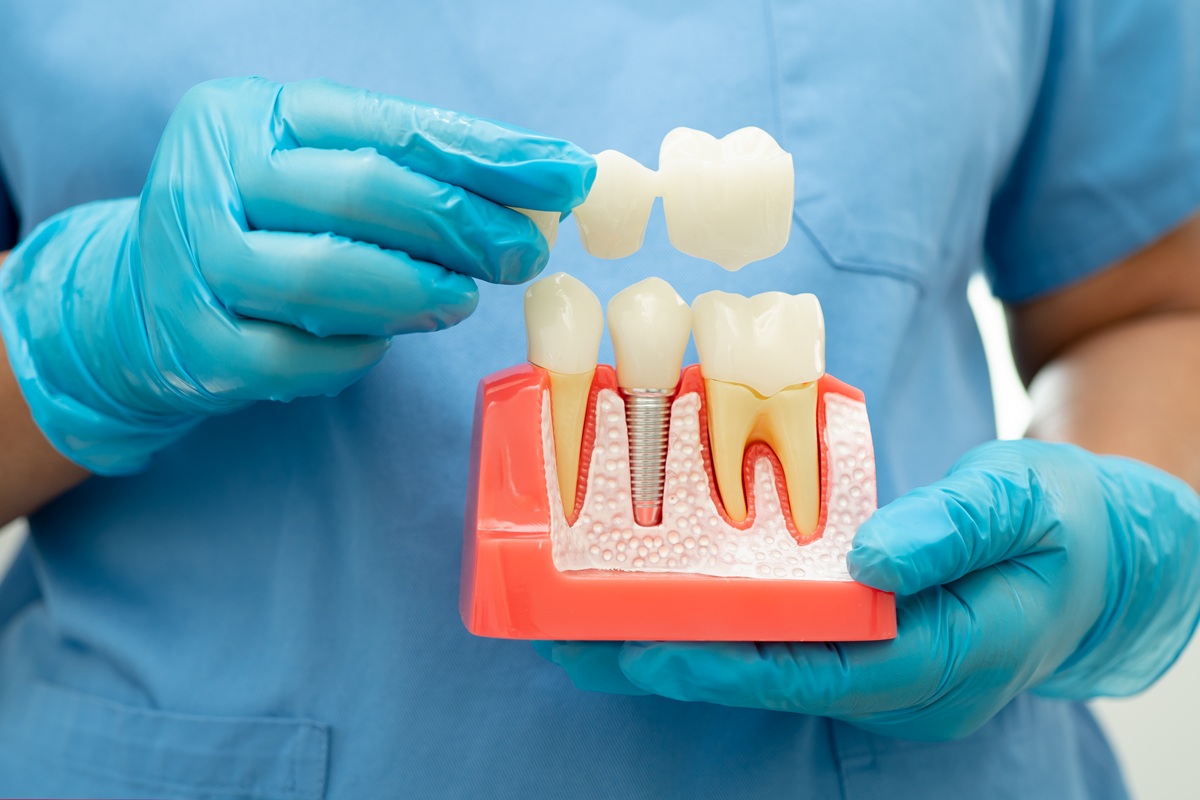
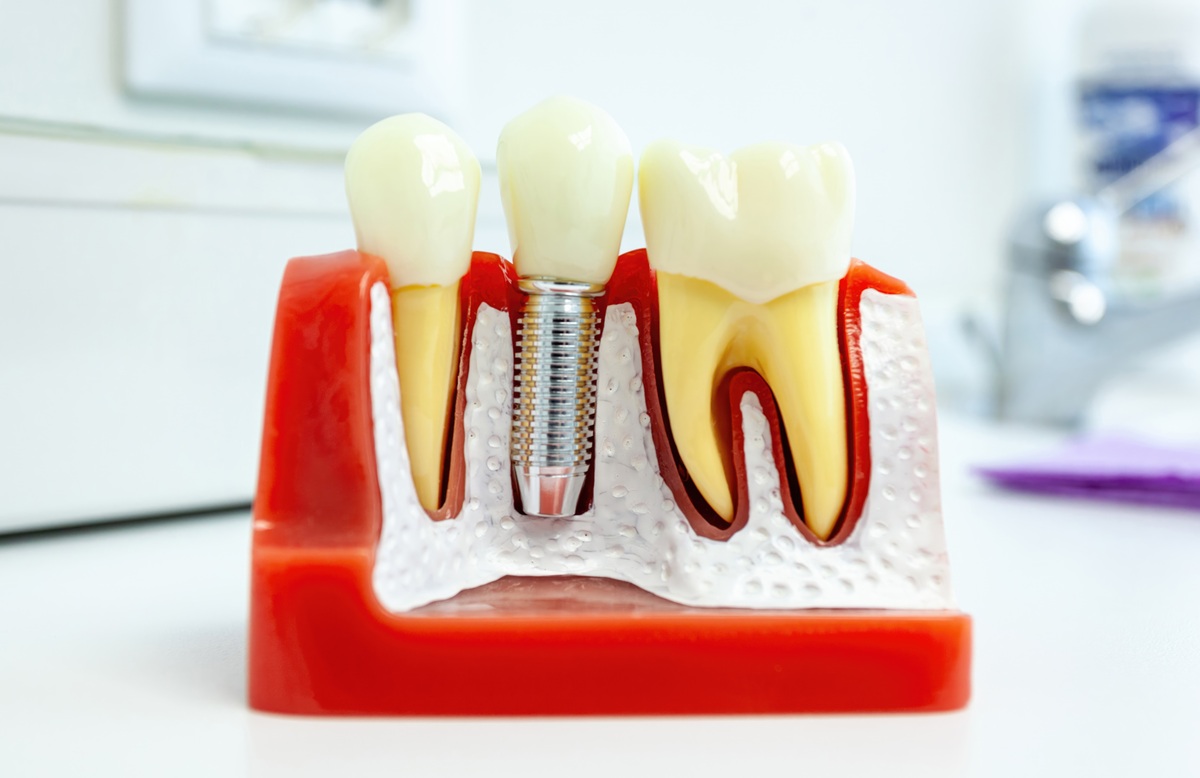
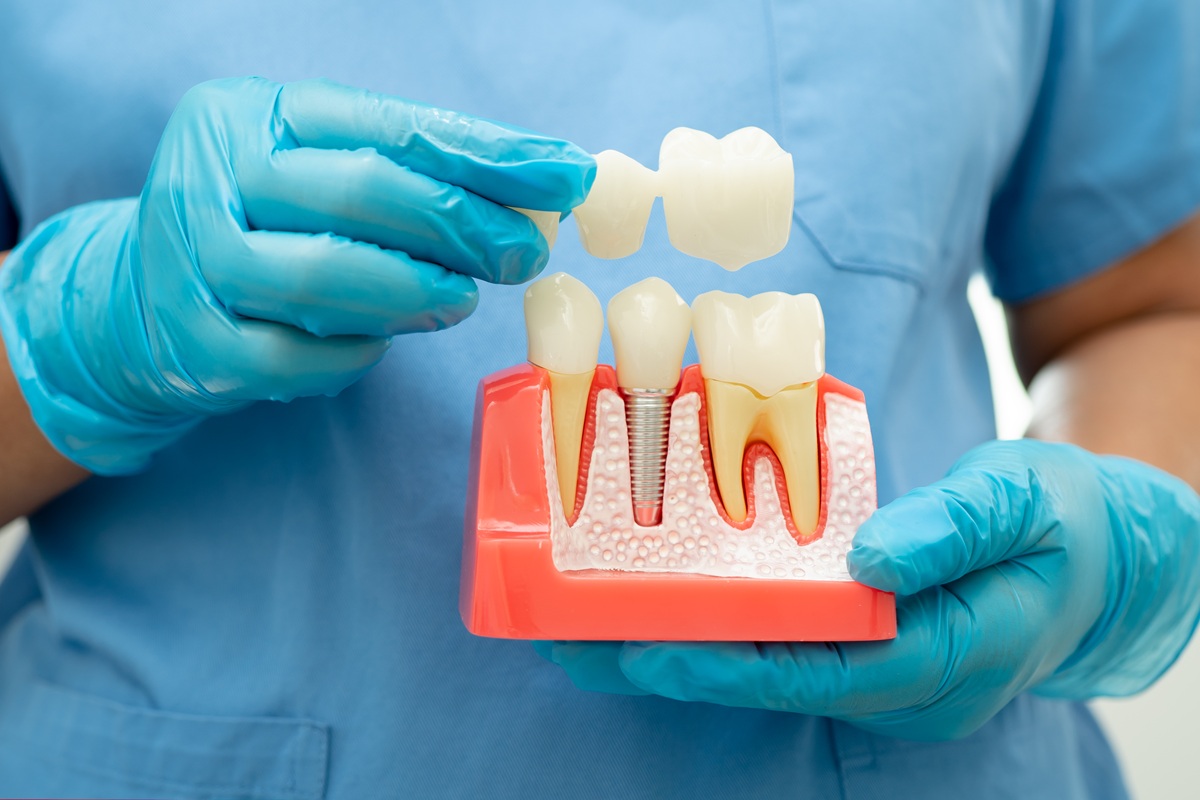
Dental implants are designed to replace the entire tooth structure—not just the visible crown. A titanium post is placed in the jawbone, acting like a natural tooth root. This is what makes them different and financially smarter in the long run.
Once placed and healed properly, implants:
- Do not rely on nearby teeth for support
- Help prevent bone loss in the jaw
- Function like natural teeth for chewing and speaking
- Can last decades with proper care
Instead of repeated replacements or repairs, you’re investing in a stable, long-term solution.
How Dental Implants Actually Save You Money
Let’s talk about the part most patients care about—cost over time.
1. Fewer replacements
Dentures and bridges often need to be replaced every 5–10 years. Dental implants, on the other hand, can last 20+ years or even a lifetime with good oral hygiene.
2. Reduced future dental procedures
Because implants prevent bone loss and tooth shifting, they reduce the need for additional treatments like:
- Gum therapy
- Bone grafting (in future cases)
- Replacement crowns and bridgework
3. Protection of surrounding teeth
Unlike bridges, implants don’t require grinding down healthy teeth. That means fewer future complications and lower long-term dental costs.
4. Better chewing = better health
Patients with implants can eat a balanced diet without restriction, which supports overall health. Better nutrition can indirectly reduce medical expenses linked to poor diet choices caused by missing teeth.
Oral Health Benefits That Protect Your Future Smile
Saving money is important—but oral health is where dental implants truly stand out.
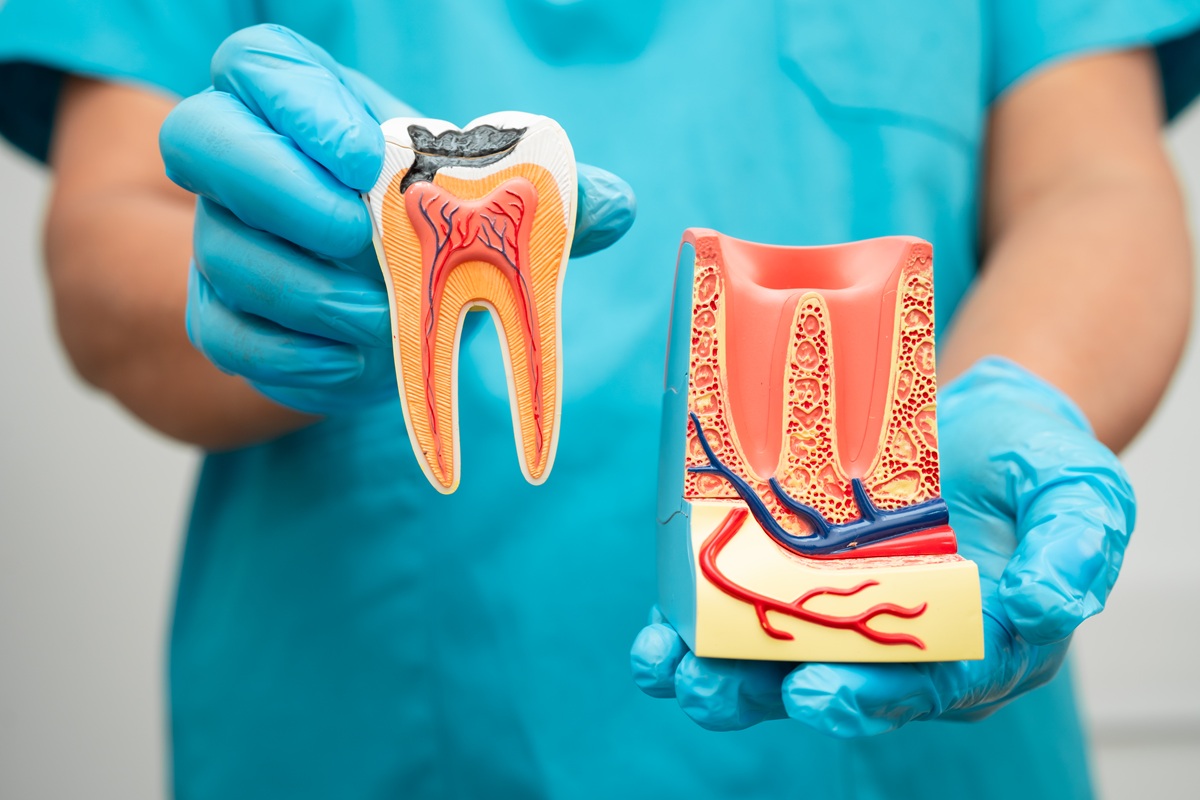
When a tooth is missing, the jawbone underneath starts shrinking due to lack of stimulation. This can lead to:
- Facial sagging over time
- Shifting of nearby teeth
- Bite misalignment
- Increased risk of gum problems
Dental implants stimulate the bone just like natural tooth roots. This helps maintain facial structure and prevents the “sunken” appearance often seen with long-term denture wearers.
In simple terms: implants don’t just replace teeth—they preserve your entire oral foundation.
Are Dental Implants Worth It for Everyone?
While implants are highly successful, they work best when:
- Gum health is stable
- Jawbone density is sufficient (or can be restored)
- The patient maintains good oral hygiene
- Regular dental checkups are followed
Even if bone loss has already occurred, procedures like bone grafting can make implants possible in most cases.
A consultation is the best way to understand your specific situation and long-term options.
Simple Comparison: Implants vs Other Options
Dentures
- Lower initial cost
- Require frequent adjustments
- Can feel unstable while eating
Bridges
- Moderate cost
- Depend on surrounding teeth
- May need replacement over time
Dental Implants
- Higher initial investment
- Long lifespan
- Protect bone and surrounding teeth
- Lowest long-term maintenance cost
When viewed over 10–20 years, implants often become the most cost-efficient option.
What Happens During the Implant Process?
Many patients delay treatment because they think it’s complicated. In reality, the process is straightforward:
- Consultation and digital imaging
- Implant placement into the jawbone
- Healing period for bone integration
- Placement of the final crown
Each step is planned carefully for comfort, precision, and long-term success.
Take the First Step Toward a Healthier, Smarter Smile
If you’re dealing with missing teeth or struggling with dentures, it may be time to think long-term. Dental implants are not just about replacing teeth—they’re about protecting your oral health and avoiding repeated dental expenses in the future.
At Premier Dental Esthetics in Arcadia, we focus on creating treatment plans that are both clinically strong and financially sensible for patients.
A simple consultation can help you understand your options and whether implants are the right fit for you.
Because sometimes, the smartest investment you can make… is in your smile.
FAQs About Dental Implants
1. Do dental implants really last forever?
With proper care, implants can last decades. The crown may need replacement after many years, but the implant itself is highly durable.
2. Can I eat normally with implants?
Yes. Once healed, implants function like natural teeth, allowing you to eat most foods comfortably.
3. Are implants safe?
Yes. Dental implants are a widely studied and highly successful dental procedure with a strong safety record.