


If you’ve ever looked in the mirror and wondered why your teeth don’t respond to whitening the way you expected, you’re not alone. Many patients walk into Premier Dental Esthetics hoping for a brighter smile—only to realize that not all stains (or dental concerns) are created equal.
So here’s the real question:
Can whitening treatments actually fix deep stains or enamel problems—or just improve surface color?
Let’s break it down in a way that’s honest, helpful, and easy to understand.
Understanding the Types of Tooth Stains
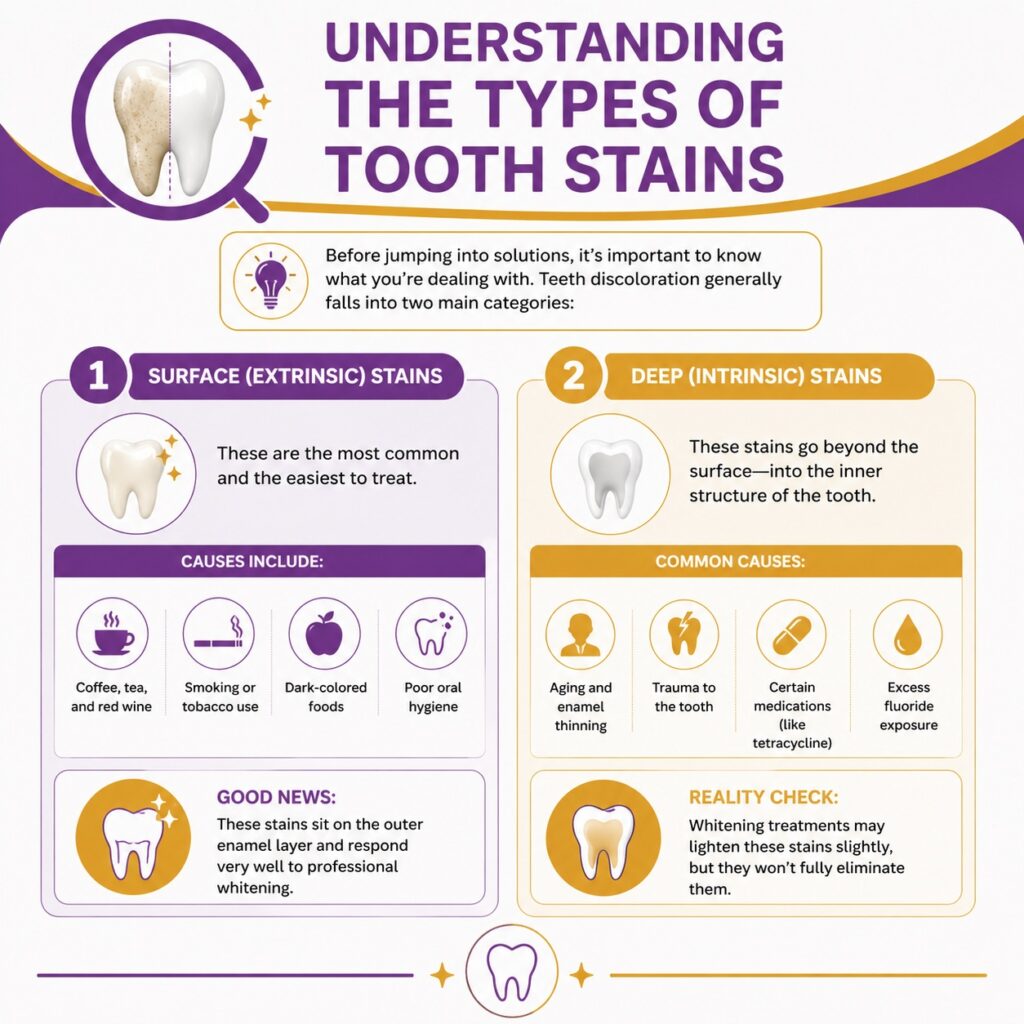
Before jumping into solutions, it’s important to know what you’re dealing with. Teeth discoloration generally falls into two main categories:
1. Surface (Extrinsic) Stains
These are the most common and the easiest to treat.
Causes include:
- Coffee, tea, and red wine
- Smoking or tobacco use
- Dark-colored foods
- Poor oral hygiene
Good news:
These stains sit on the outer enamel layer and respond very well to professional whitening.
2. Deep (Intrinsic) Stains
These stains go beyond the surface—into the inner structure of the tooth.
Common causes:
- Aging and enamel thinning
- Trauma to the tooth
- Certain medications (like tetracycline)
- Excess fluoride exposure
Reality check:
Whitening treatments may lighten these stains slightly, but they won’t fully eliminate them.
What About Enamel Issues?
Here’s where things get a bit more complex.
Enamel is the protective outer layer of your teeth. Once it’s damaged or worn down, it doesn’t regenerate.
Common Enamel Problems:
- Enamel erosion from acidic foods or drinks
- Cracks or chips
- Hypoplasia (thin or underdeveloped enamel)
- Sensitivity due to enamel loss
Can Whitening Fix These?
Short answer: No.
Whitening treatments don’t repair enamel—they simply bleach the color of your teeth. In fact, if enamel is already compromised, whitening might even increase sensitivity.
So, What Does Whitening Actually Do?
Professional whitening treatments at Premier Dental Esthetics are designed to:
Break down surface stains
Brighten natural tooth color
Deliver even, predictable results
Boost confidence with a noticeable improvement
But they don’t:
Repair enamel damage
Fix deep structural discoloration completely
Replace restorative treatments
When Whitening Isn’t Enough
If whitening alone won’t give you the results you want, don’t worry—there are better options available.
Alternative Treatments to Consider:
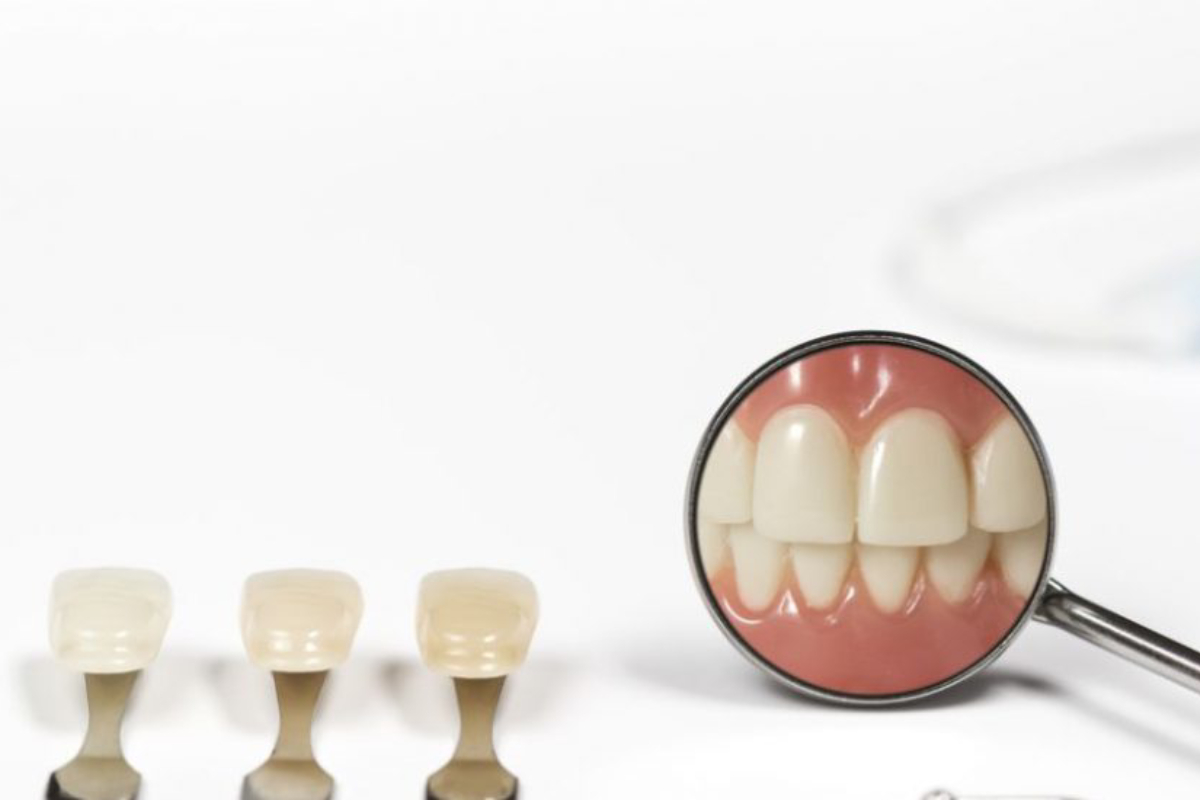
1. Dental Veneers
Thin, custom-made shells that cover the front of your teeth
- Ideal for deep stains and enamel defects
- Long-lasting and natural-looking
2. Dental Bonding
A tooth-colored resin applied to fix discoloration or minor damage
- Quick and cost-effective
- Great for small areas
3. Crowns
Full coverage for severely damaged or discolored teeth
- Restores both function and appearance
Why Professional Whitening Still Matters
Even if you have deeper concerns, professional whitening is often the first step in a smile makeover.
At Premier Dental Esthetics, treatments are tailored to your needs—not a one-size-fits-all approach.
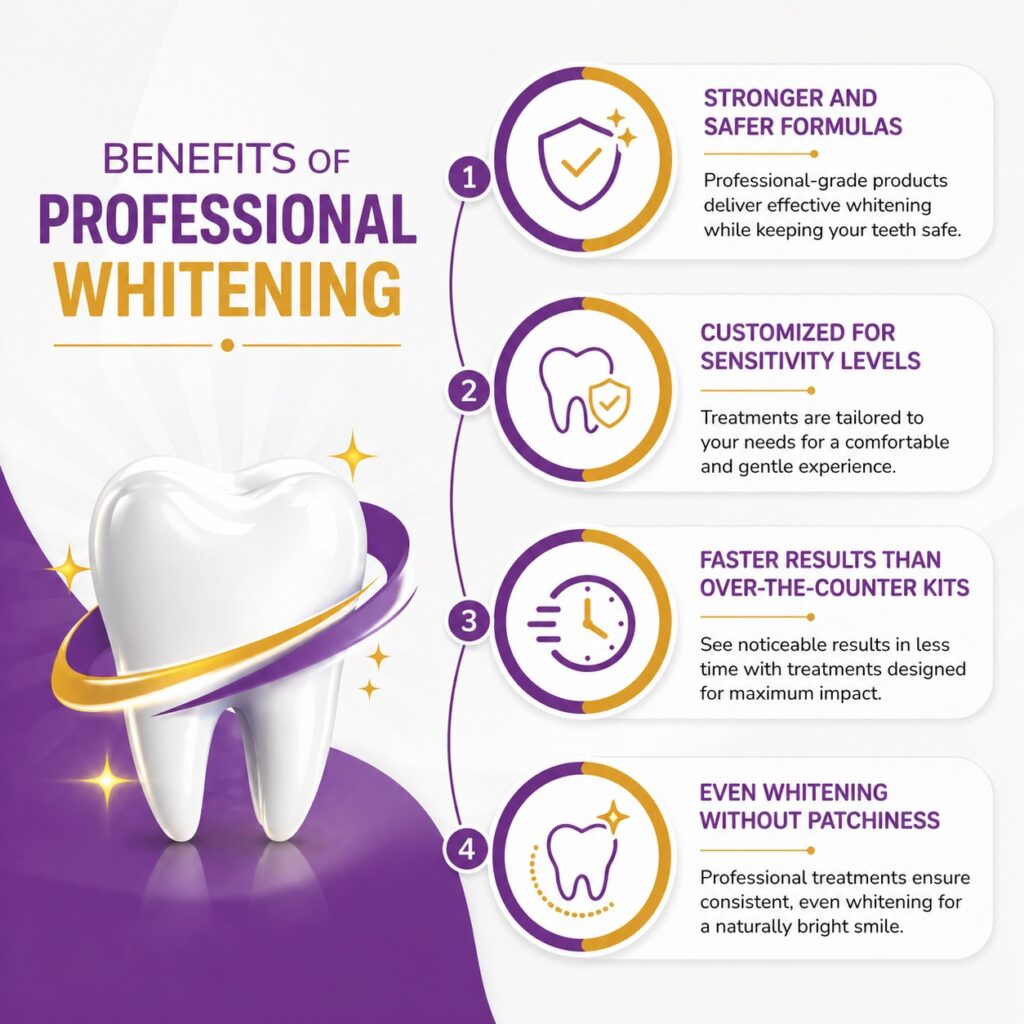
Benefits of Professional Whitening:
- Stronger and safer formulas
- Customized for sensitivity levels
- Faster results than over-the-counter kits
- Even whitening without patchiness
Signs You Should Consider More Than Whitening
Not sure if whitening is right for you? Look out for these signs:
- Your teeth appear gray or brown rather than yellow
- Whitening products haven’t worked in the past
- You have visible spots or patches
- Your teeth feel sensitive or rough
- You’ve had dental trauma or long-term discoloration
If any of these sound familiar, it’s worth exploring other cosmetic options.
Simple Tips to Maintain a Brighter Smile
Whether you choose whitening or another treatment, maintaining results is key.
Here’s what helps:
- Brush twice daily with a fluoride toothpaste
- Limit stain-causing foods and drinks
- Use a straw for beverages like iced coffee or soda
- Rinse your mouth after meals
- Schedule regular cleanings
Small habits go a long way in keeping your smile looking fresh.
Final Thoughts
Whitening treatments are powerful—but they’re not a cure-all.
They work best for surface stains and general brightening, but if you’re dealing with deep discoloration or enamel damage, you’ll need a more advanced solution.
The key is knowing what your smile actually needs—and that starts with the right guidance.
Ready to Find the Right Solution?
If you’re unsure whether whitening will give you the results you want, a personalized consultation at Premier Dental Esthetics can make all the difference.
A brighter, healthier smile isn’t just about appearance—it’s about confidence, comfort, and long-term care.
FAQs
1. Can whitening remove yellow stains completely?
Yes, most yellow surface stains respond very well to professional whitening treatments.
2. Is whitening safe for sensitive teeth?
Professional treatments can be adjusted for sensitivity, making them much safer than DIY options.
3. Is whitening safe for sensitive teeth?
Professional treatments can be adjusted for sensitivity, making them much safer than DIY options.
4. How long do whitening results last?
Typically between 6 months to 2 years, depending on lifestyle and oral care habits.
5. What’s the best option for deep stains?
Veneers or bonding are usually more effective for deep or intrinsic discoloration.