

If you live in Sierra Madre and want a better-looking smile, you have options. Two of the most popular cosmetic treatments are veneers and dental bonding. Understanding Veneers vs. Bonding: Which Transformation Fits Your Budget and Smile in Sierra Madre can help you make the smartest decision for your teeth. Both treatments fix chips, stains, gaps, and shape concerns — but they work very differently.
This guide breaks down the key differences between the two. We cover cost, durability, procedure steps, and ideal candidates. By the end, you will know which option suits your smile goals and your budget.
What Are Veneers and How Do They Work?
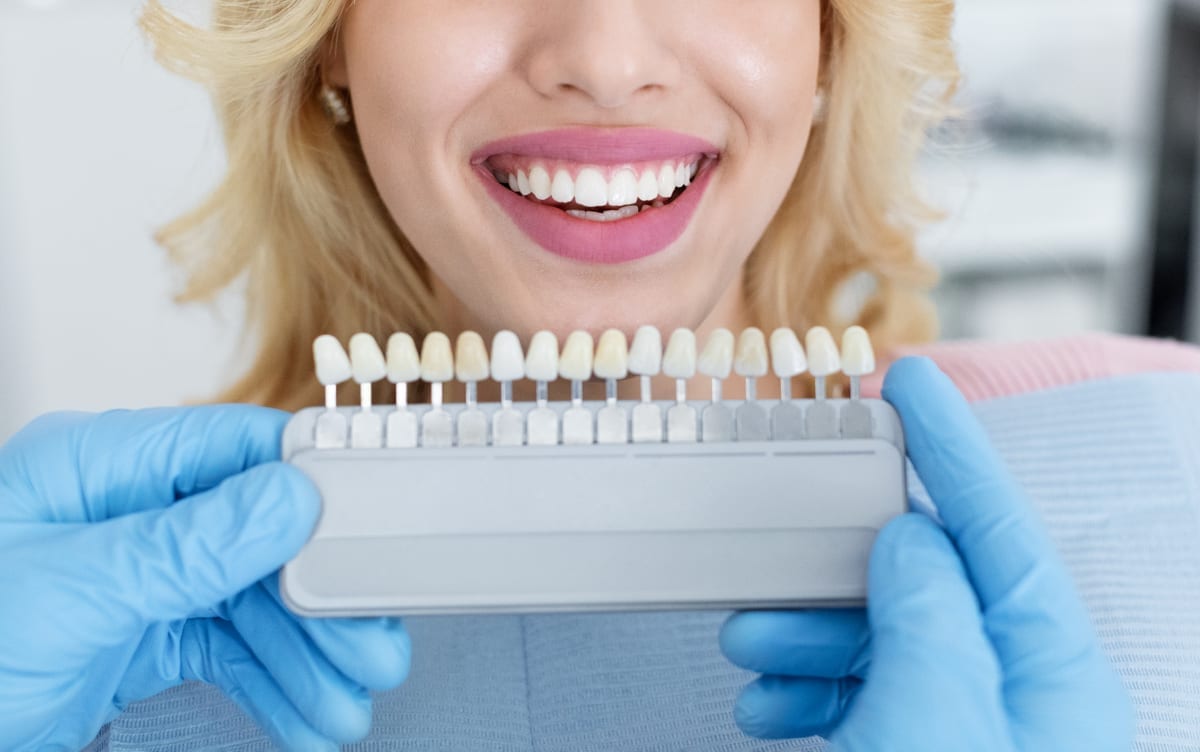
Veneers are thin porcelain or composite shells bonded to the front surface of your teeth. A dentist removes a small amount of enamel to prepare each tooth. This step is permanent and cannot be undone. The custom shells are then crafted to match your desired color, size, and shape.
Porcelain veneers look incredibly natural and resist staining well. They typically last 10 to 20 years with proper care. Most patients need two appointments to complete the process. The results are dramatic and long-lasting.
Composite veneers are a more affordable alternative. They are placed in a single visit and require less enamel removal. However, they do not last as long as porcelain. They are a solid middle-ground option for many Sierra Madre patients.
What Is Dental Bonding and When Should You Choose It?
Dental Bondings involve applying a tooth-colored resin directly to the tooth surface. Your dentist shapes and polishes the resin to blend seamlessly with your natural teeth. No enamel removal is required in most cases. This makes bonding a fully reversible and minimally invasive procedure.
Bonding is ideal for minor cosmetic concerns like small chips, gaps, or discoloration. The entire process is usually completed in one short appointment. It costs significantly less than porcelain veneers. That makes it a popular starting point for patients exploring cosmetic dentistry.
The trade-off is durability. Bonding typically lasts 3 to 7 years before it needs touch-ups or replacement. It also stains more easily over time than porcelain. Regular Dental Hygiene appointments help extend the life of bonded teeth.
Veneers vs. Bonding: Comparing Cost, Longevity, and Results in Sierra Madre
Cost is often the deciding factor for patients in Sierra Madre. Bonding generally ranges from $300 to $600 per tooth. Porcelain veneers can cost $1,000 to $2,500 per tooth or more. The upfront difference is significant.
However, longevity changes the math. Veneers last two to three times longer than bonding. Over 15 years, you may replace bonding two or three times. That repeated cost can add up and sometimes exceed the price of veneers.
- Dental Bonding: Lower upfront cost, faster treatment, no enamel removal, lasts 3–7 years
- Porcelain Veneers: Higher upfront cost, two visits, permanent enamel change, lasts 10–20 years
- Composite Veneers: Mid-range cost, single visit, minimal prep, lasts 5–10 years
- Best for Minor Fixes: Bonding wins on simplicity and speed
- Best for Full Transformation: Porcelain veneers deliver the most dramatic results
Results also differ noticeably. Porcelain veneers produce a polished, uniform appearance. Bonding looks great for smaller fixes but may not match perfectly over time. For full smile makeovers, veneers are the stronger choice.
Which Treatment Is Right for Your Smile Goals?
Your specific concern matters a great deal. Bonding works beautifully for a single chipped tooth or a small gap. Veneers are better suited for patients who want to transform multiple teeth at once. Consider both your short-term budget and your long-term goals.
Invasiveness is another major factor. Bonding is reversible and preserves more of your natural tooth. Veneers require permanent enamel removal, so they demand full commitment. If you are unsure, starting with bonding on a less visible tooth lets you test the process.
- Choose bonding if your issue is minor, localized, or you want a reversible fix
- Choose veneers if you want a long-lasting, dramatic smile transformation
- Choose composite veneers if you want a balance of cost and durability
- Ask your dentist about combining both treatments for different teeth
Your lifestyle also plays a role. If you drink coffee, tea, or red wine regularly, porcelain veneers resist staining better. Bonding material absorbs pigment over time. Discuss your habits with your dentist before deciding.
What to Expect at Your Cosmetic Consultation in Sierra Madre
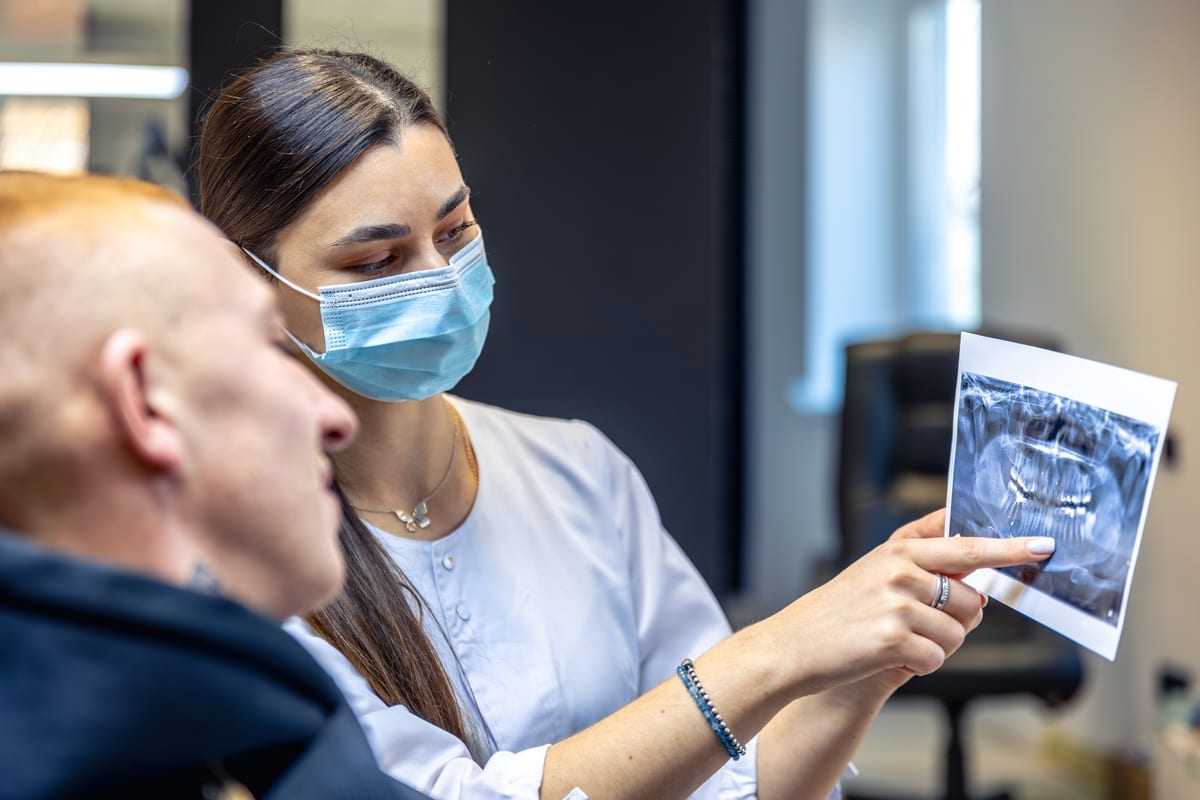
Your first step is a thorough consultation at a trusted dental office. Your dentist will examine your teeth, review your goals, and take photos or X-rays. You will discuss both treatment options in detail. This appointment helps you set realistic expectations.
Your dentist may create a mock-up or digital preview of your results. This visual tool helps you see the potential outcome before committing. It is especially helpful when deciding between bonding and veneers. Many patients find the preview makes their decision much easier.
After treatment, your dentist will guide you on proper care. Avoid biting hard foods directly with bonded or veneered teeth. Use a non-abrasive toothpaste to protect the surface. Schedule routine check-ups to keep your cosmetic work looking its best.
Take the Next Step Toward Your Best Smile
Both veneers and bonding can deliver a smile you are proud to show off. The right choice depends on your budget, the extent of your concerns, and how long you want the results to last. Sierra Madre patients deserve clear, honest guidance — not a one-size-fits-all recommendation. A qualified cosmetic dentist will help you weigh every factor carefully.
At Premier Dental Esthetics, our team takes time to understand your unique goals. We offer personalized consultations designed to educate and empower you. No pressure — just professional insight to help you move forward with confidence. Book Now to schedule your appointment with our team.
Frequently Asked Questions
Is dental bonding as strong as veneers?
Bonding is durable for everyday use but not as strong as porcelain veneers. Porcelain is harder and more resistant to chipping and staining. Bonding works well for minor repairs but may wear down faster under heavy bite pressure. Veneers are the better option when long-term strength is a priority.
Can I replace bonding with veneers later?
Yes, bonding can be removed and replaced with veneers at a later stage. Since bonding does not alter your enamel significantly, the transition is straightforward. Many patients start with bonding and upgrade to veneers when they are ready. Discuss a long-term cosmetic plan with your dentist at your consultation.
How long does the bonding procedure take?
Most dental bonding procedures take between 30 and 60 minutes per tooth. The process involves minimal preparation and no waiting for a lab to fabricate anything. Your dentist shapes and polishes the resin in a single visit. It is one of the fastest cosmetic dental treatments available.
Do veneers require special care?
Veneers do not require complicated maintenance beyond regular oral hygiene. Brush twice daily, floss, and visit your dentist for routine cleanings. Avoid using your teeth as tools or biting very hard objects. With proper care, porcelain veneers can last well over a decade.
Which option is better for severely stained teeth?
For deeply stained teeth that do not respond to whitening, veneers are typically the better solution. Porcelain fully covers the existing tooth surface, masking even stubborn discoloration. Bonding can address mild staining but may not cover severe cases as effectively. A cosmetic consultation will help determine the right approach for your specific situation.