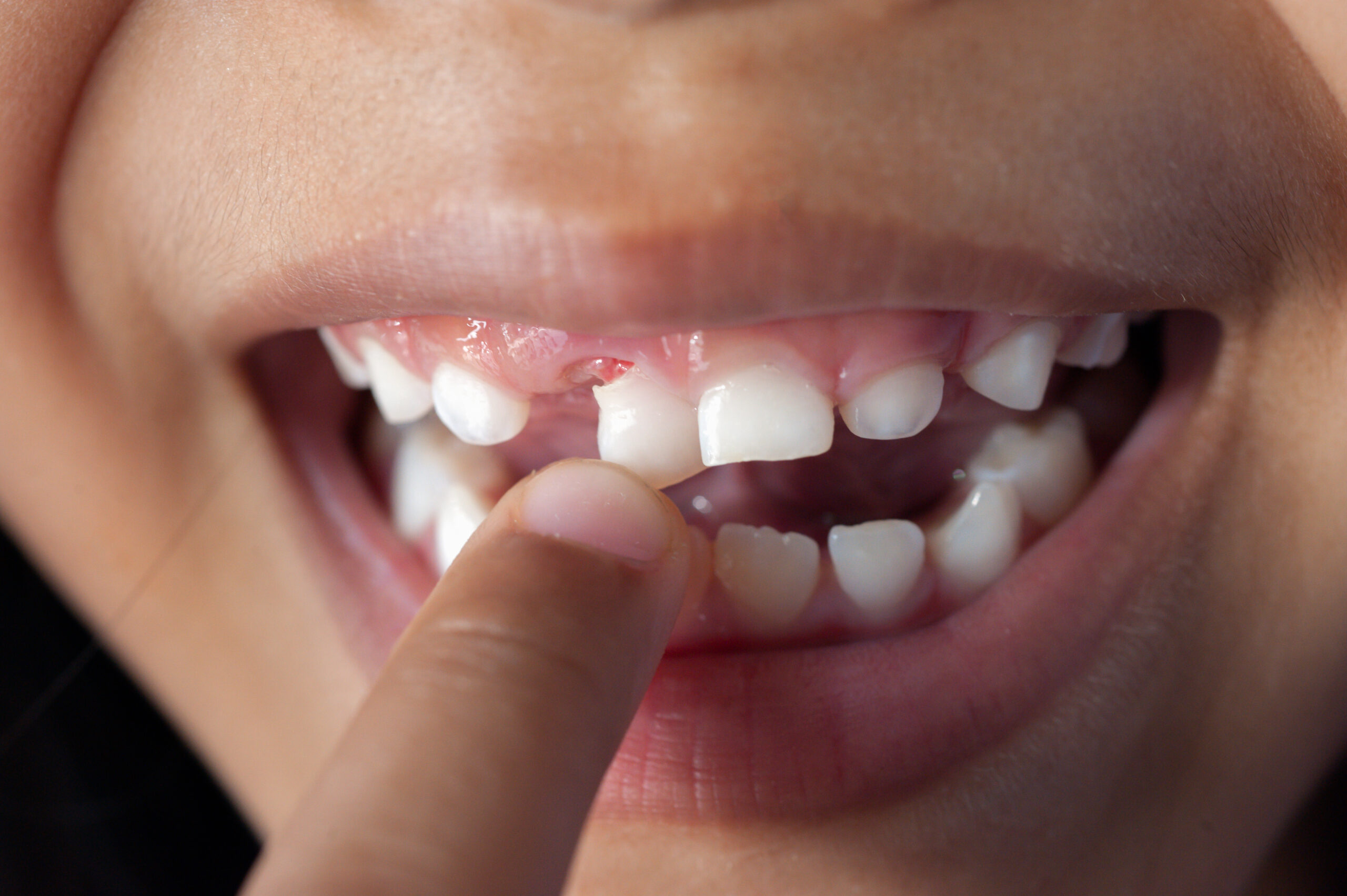



You notice a little pink in the sink while brushing. Maybe it happens once in a while, or maybe it’s becoming routine. Bleeding gums can seem harmless—but sometimes, they’re your mouth’s way of asking for help.
At Premier Dental Esthetics in Arcadia, we often meet patients who ignored early signs, thinking it was just brushing too hard. The truth? While occasional bleeding might not be serious, persistent bleeding is something you shouldn’t brush off.
Let’s walk through what’s normal, what’s not, and when it’s time to take action.
Is It Ever Normal for Gums to Bleed?
Short answer: sometimes—but only briefly.
If you’ve recently started flossing after a long break, your gums may bleed slightly as they adjust. The same can happen if you switch to a firmer toothbrush or improve your brushing technique.
But here’s the key:
Bleeding should stop within a few days. If it doesn’t, your gums may be inflamed—and that’s where concern begins.
Common Causes of Bleeding Gums
Understanding the “why” helps you act early. Here are the most frequent reasons patients in Arcadia experience bleeding gums:
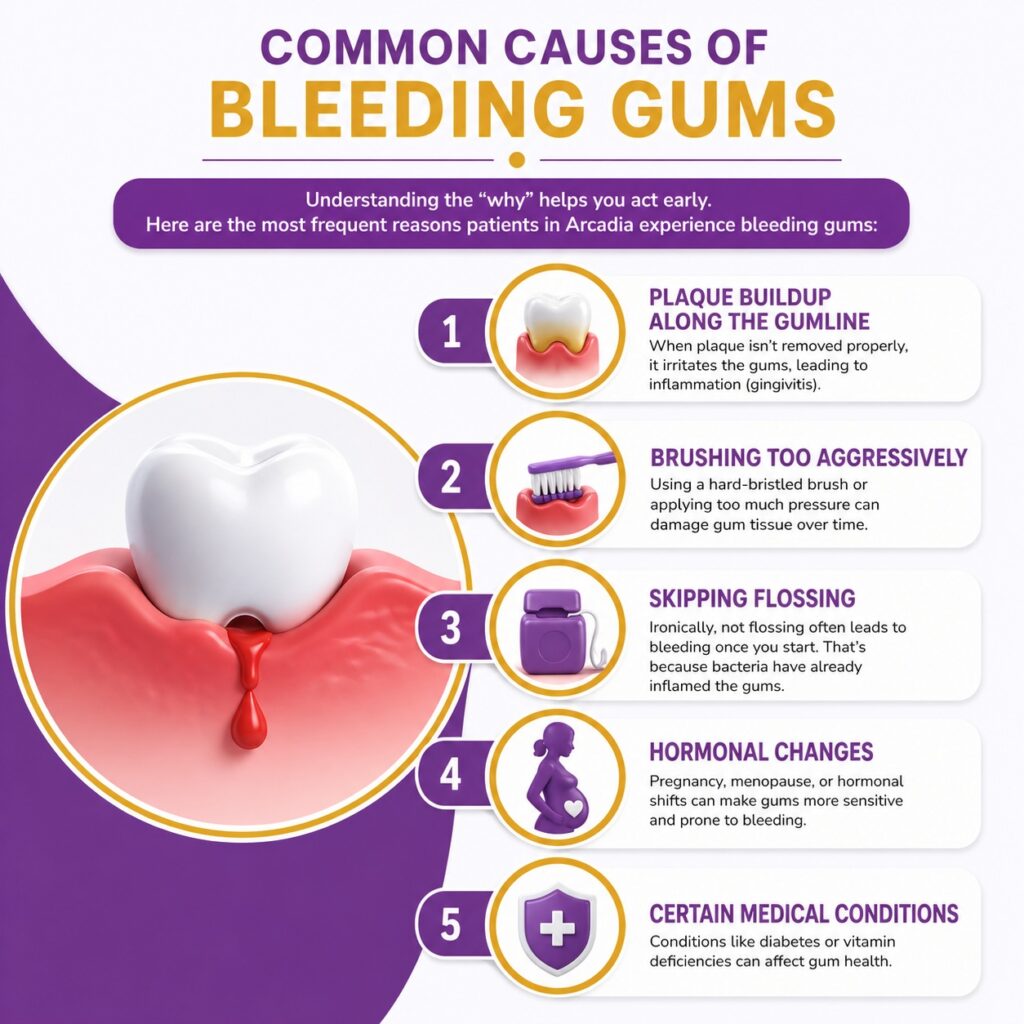
1. Plaque Buildup Along the Gumline
When plaque isn’t removed properly, it irritates the gums, leading to inflammation (gingivitis). This is the earliest stage of gum issues—and the most reversible.
2. Brushing Too Aggressively
Using a hard-bristled brush or applying too much pressure can damage gum tissue over time.
3. Skipping Flossing
Ironically, not flossing often leads to bleeding once you start. That’s because bacteria have already inflamed the gums.
4. Hormonal Changes
Pregnancy, menopause, or hormonal shifts can make gums more sensitive and prone to bleeding.
5. Certain Medical Conditions
Conditions like diabetes or vitamin deficiencies can affect gum health.
When Should You Actually Worry?
Here’s where you need to pay attention. Bleeding gums may signal something more serious if you notice:
- Bleeding that lasts longer than a week
- Swollen, tender, or red gums
- Persistent bad breath
- Receding gumline (teeth appear longer)
- Loose teeth or discomfort while chewing
These are classic warning signs of gum disease progressing beyond the early stage.
If you’re experiencing any of these symptoms, it’s time to consider professional gum disease treatment before the condition worsens.
Why Early Action Matters
Gum health isn’t just about your smile—it affects your overall well-being.
Untreated gum disease can lead to:
- Tooth loss
- Bone deterioration in the jaw
- Increased risk of systemic conditions like heart disease
The good news? Early stages are highly treatable. At Premier Dental Esthetics, many Arcadia patients are surprised at how simple and comfortable early intervention can be.
Simple Ways to Protect Your Gums
You don’t need a complicated routine—just consistency.
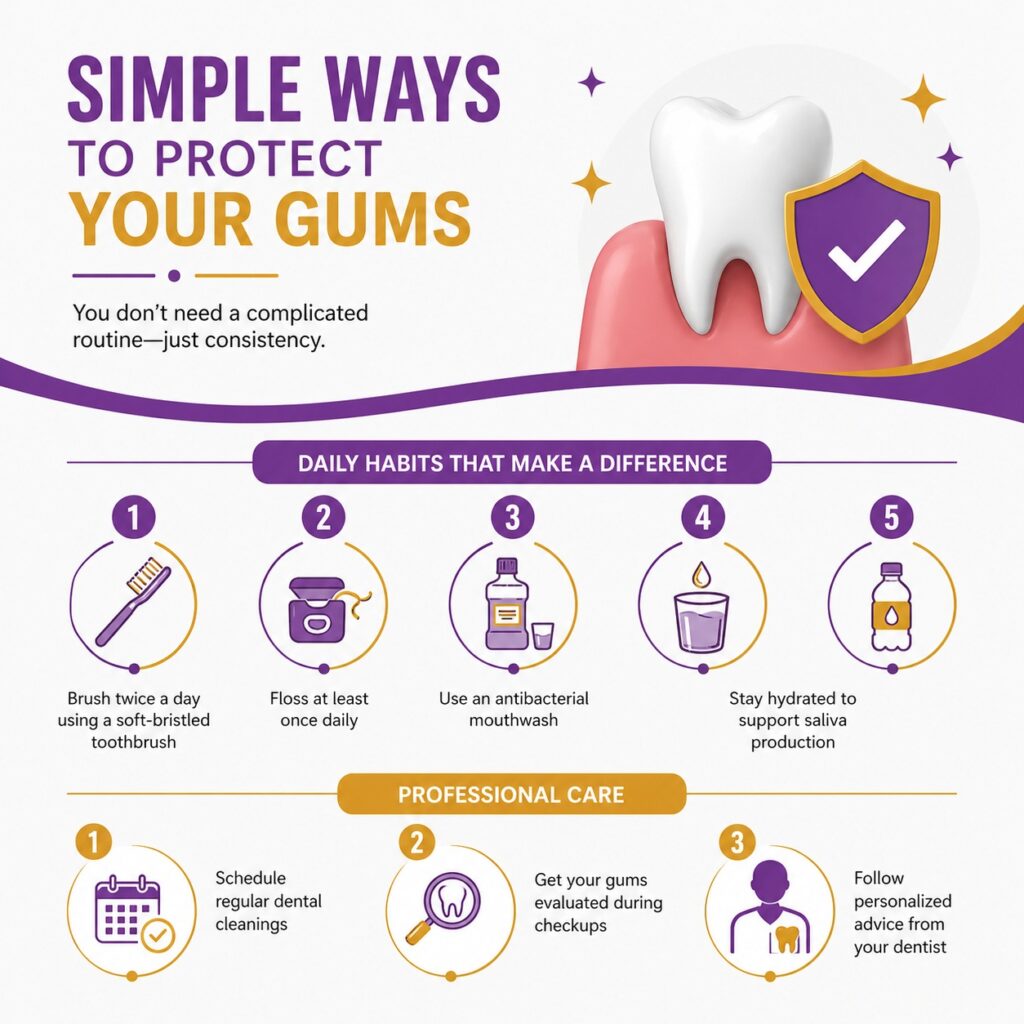
Daily Habits That Make a Difference:
- Brush twice a day using a soft-bristled toothbrush
- Floss at least once daily
- Use an antibacterial mouthwash
- Stay hydrated to support saliva production
Professional Care:
- Schedule regular dental cleanings
- Get your gums evaluated during checkups
- Follow personalized advice from your dentist
Even small improvements in your routine can lead to healthier gums within weeks.
What Happens During a Gum Evaluation?
If you visit Premier Dental Esthetics for bleeding gums, here’s what you can expect:
- A gentle examination of your gums
- Measurement of gum pockets (to check for disease progression)
- A discussion of your symptoms and habits
- A customized care plan tailored to your needs
No pressure. No judgment. Just clear answers and practical solutions.
Don’t Ignore the Signs
Bleeding gums are easy to overlook—but they’re also one of the earliest and most treatable warning signs your body gives you.
If something feels off, trust that instinct.
At Premier Dental Esthetics in Arcadia, we’re here to help you catch issues early, protect your smile, and keep your oral health on track—without stress or guesswork.
If your gums have been bleeding more often than usual, now’s a good time to get them checked. A quick visit today can save you from bigger problems tomorrow—and help you smile with confidence again.
FAQs About Bleeding Gums
1. Should I stop brushing if my gums bleed?
No. Continue brushing gently with a soft-bristled brush. Stopping can make the problem worse.
2. Can bleeding gums heal on their own?
Mild cases may improve with better oral hygiene, but persistent bleeding needs professional attention.
3. Is flossing supposed to hurt?
It might feel uncomfortable at first, but pain and bleeding should reduce within a few days.
4. Are bleeding gums a sign of infection?
They can be. Gum infections often start with bleeding and inflammation.
5. How often should I see a dentist for gum health?
Most patients benefit from visits every six months, but some may need more frequent care.